Image types

When shooting photography, we express our brand's stories through three primary types of photos: lifestyle, context, and studio.
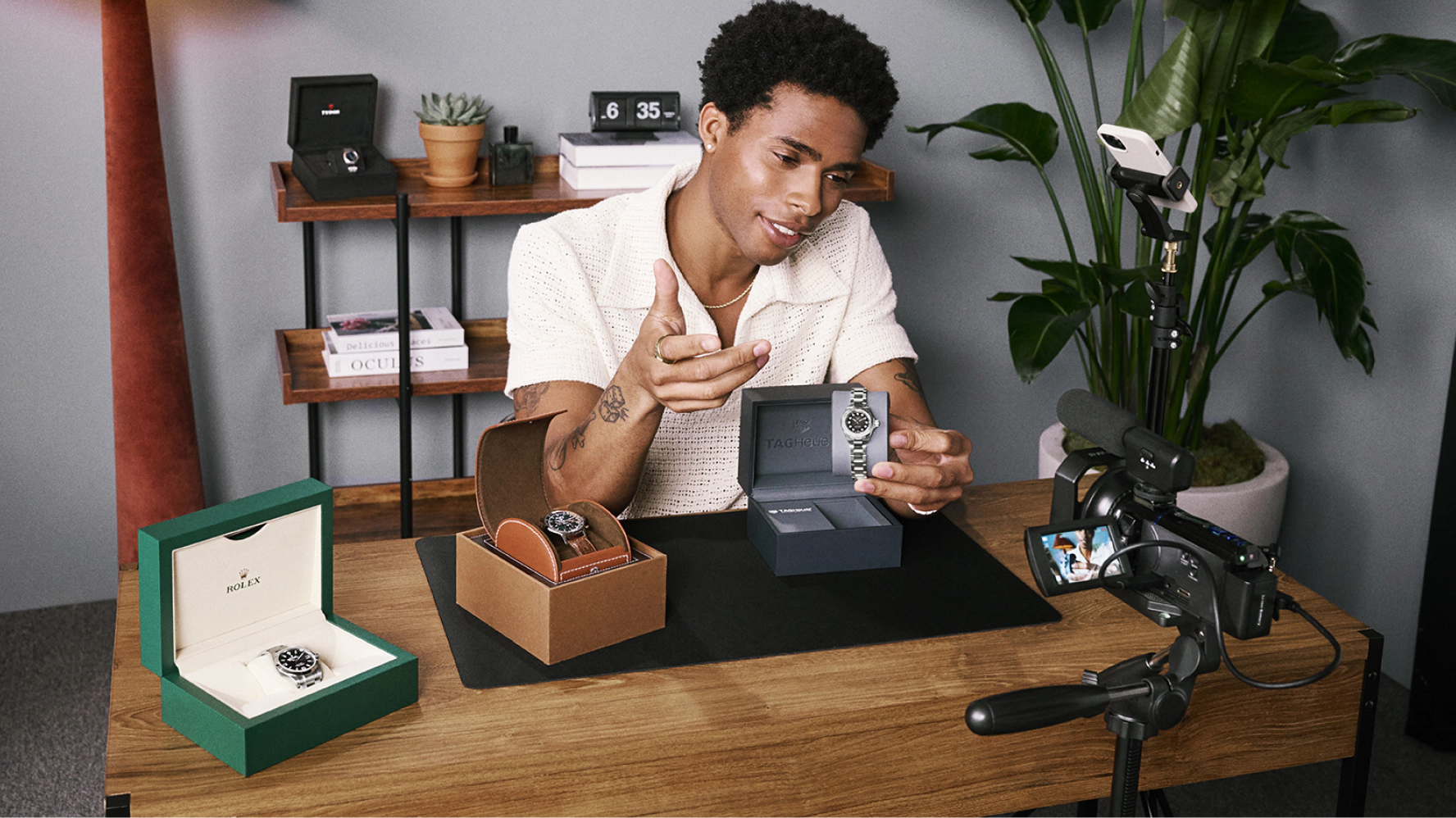

A watch seller records a product video at a desk, holding up a luxury wristwatch to the camera with additional watches and presentation boxes displayed beside him.

Types

Our three image types vary in focus, ranging from a primary focus on the subject to incorporating broader contextual elements around them. These levels allow us to maximize storytelling and craft narratives around people, passions, and products.

A vintage clothing seller folds and packages a pair of jeans at a packing station, with clothing racks, shipping materials, and eBay-branded packing tape nearby.

Lifestyle

Zoom out to show subjects in a wider setting.

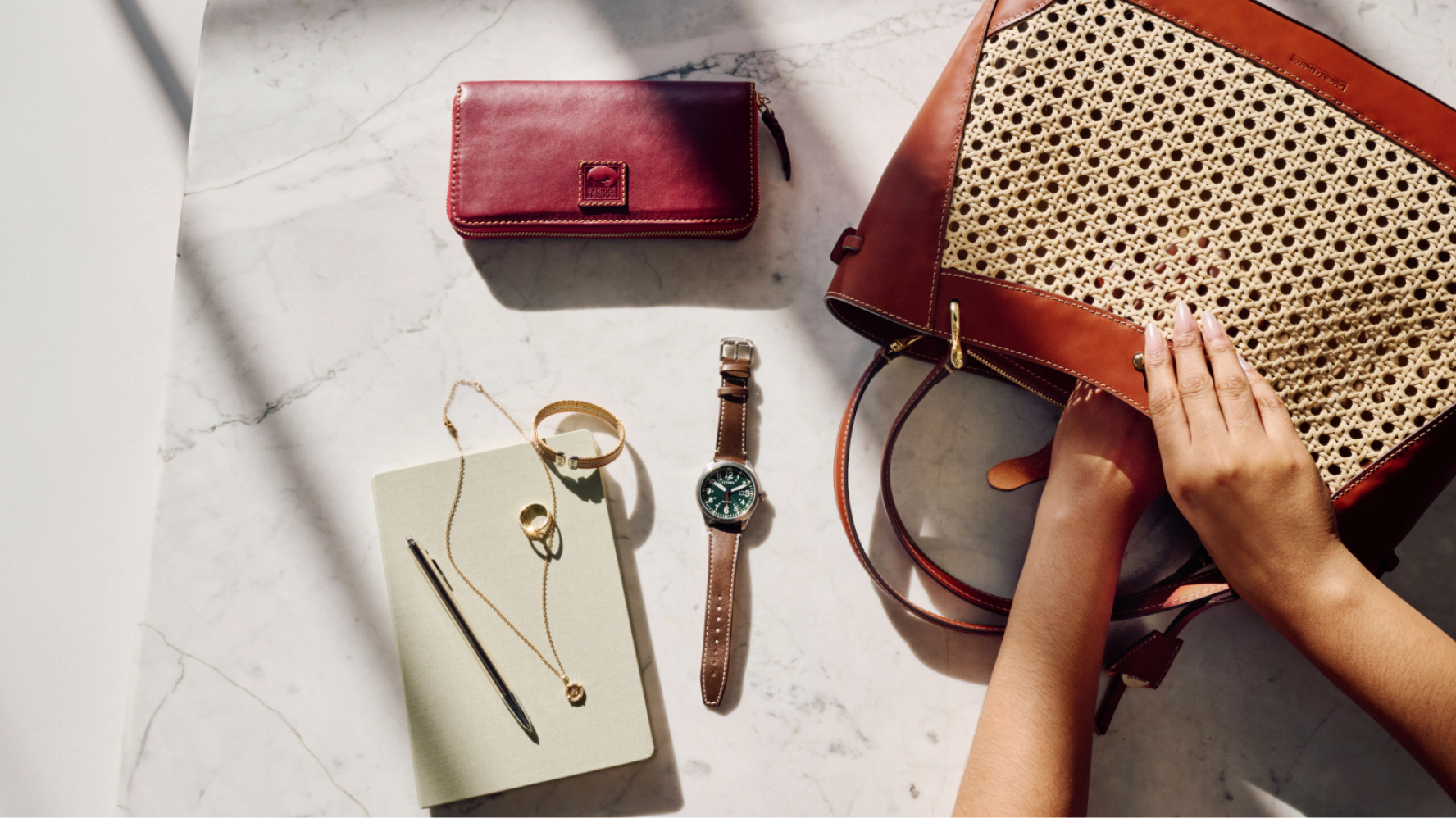
A neatly arranged collection of items is displayed on a marble surface. It includes a red leather wallet, a green-faced watch with a brown strap, a gold bracelet, a gold ring, a necklace, a notebook with a pen, and a woven handbag with leather trim. A pair of hands is seen reaching into the handbag.

Context

Focus on the subject within real-life placement and use.
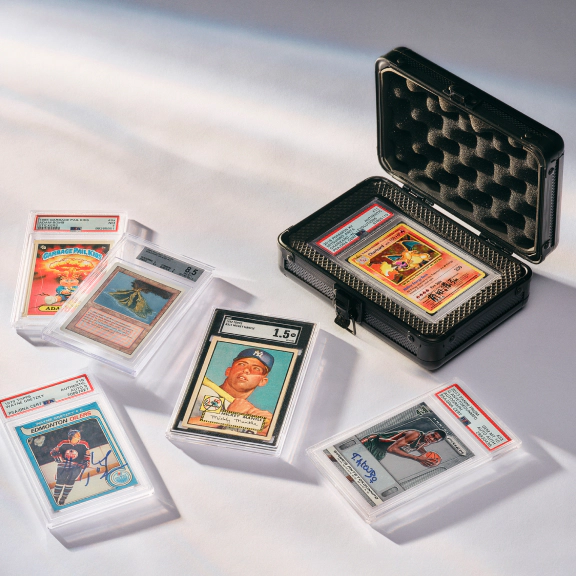
A collection of professionally graded sports and trading cards is displayed on a white surface, with one card secured inside an open protective hard case.

Studio

Remove context to focus entirely on the subject.
Lifestyle

Lifestyle photos show our customers and products in real environments. This creates full immersion into the world around products—with its people, culture, and spaces.

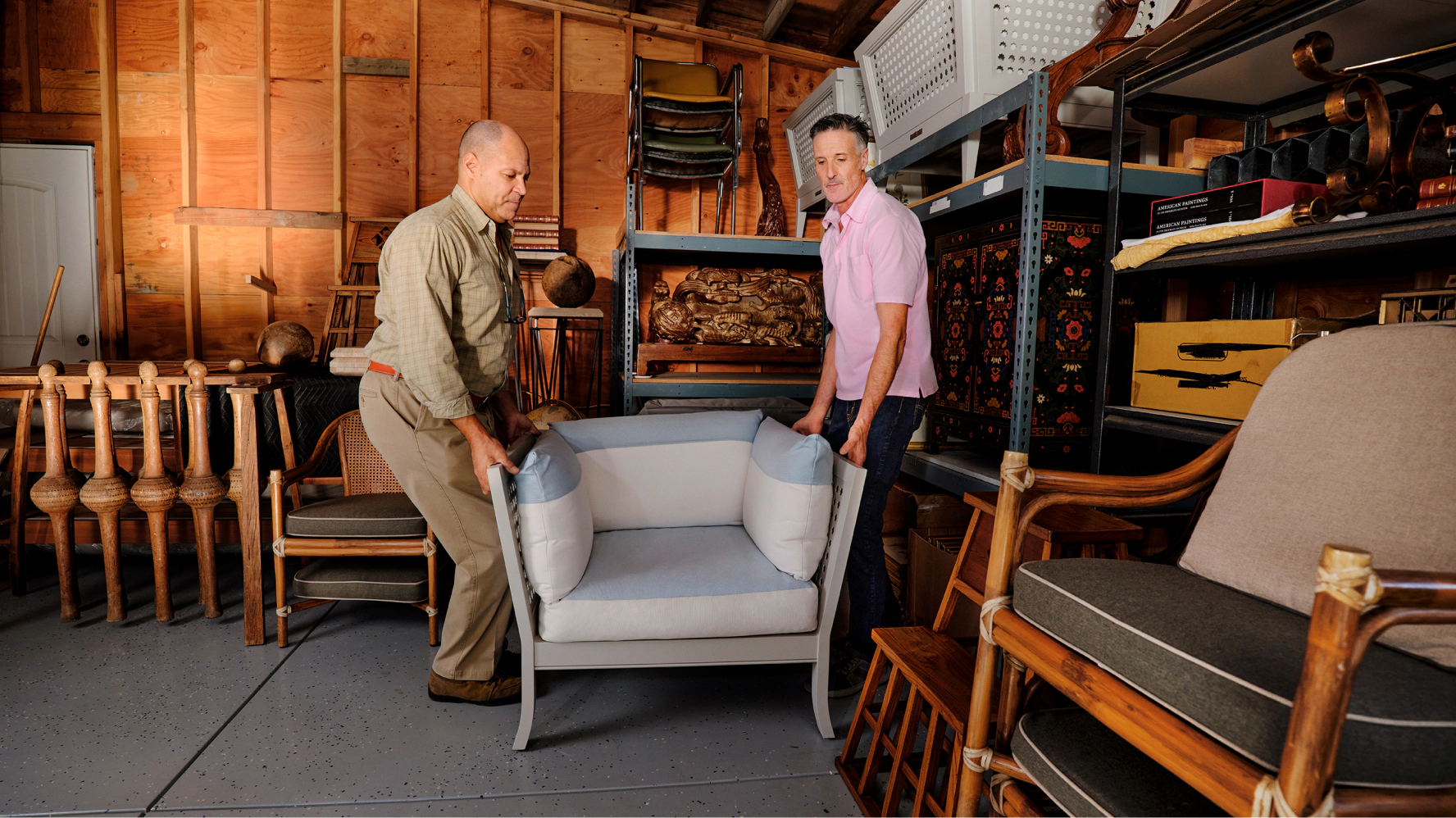
Two furniture sellers carefully carry an upholstered armchair through a warehouse filled with vintage furniture, preparing it for shipping or storage.
The image captures a lively, indoor gaming scene at home where a woman with vibrant pink hair, is laughing and holding cards in her hand, engaging in a playful card game with a man whose back is to the camera. The table is scattered with more cards and game pieces, and a bowl of popcorn adds to the casual, fun atmosphere.

Narrative-grounded

Products and settings create stories. Convey authentic and intentional storytelling by capturing genuine moments, expressions, and imperfections.

A watch seller sits at a desk in a warmly lit showroom, with display trays of luxury watches arranged in front of him and additional timepieces showcased on shelves behind him.

Aspirational and real

Showcase sets within authentic environments that extend the story and reflect real-life scenarios in a relatable yet aspirational way.
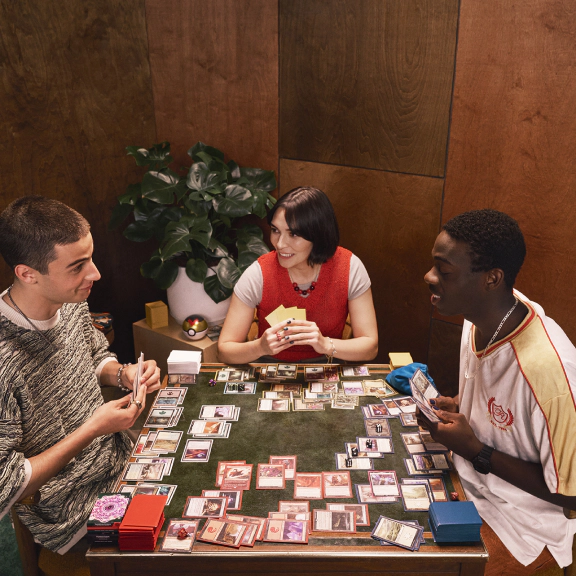
Three people sit around a table playing a trading card game, holding cards and smiling as a game in progress is spread across the tabletop.

Dynamic scenes

Capture dynamic scenes that offers a glimpse into the lives of individuals in their element, using our products, deeply immersed in their passions, being real, not taking oneself too seriously and living and sharing your story.
Context

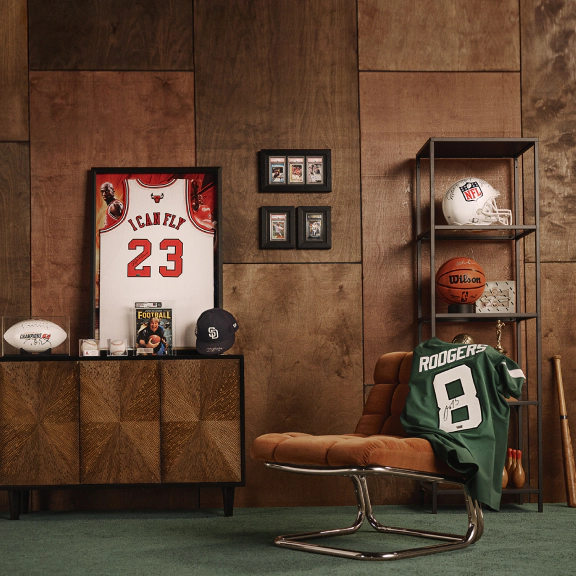
Context zooms in on a product within its environment to show real-world placement and use.

A neatly arranged collection of items is displayed on a marble surface. It includes a red leather wallet, a green-faced watch with a brown strap, a gold bracelet, a gold ring, a necklace, a notebook with a pen, and a woven handbag with leather trim. A pair of hands is seen reaching into the handbag.
A curated display of sports memorabilia featuring framed jerseys, trading cards, signed footballs, a basketball, and collectibles arranged on furniture and shelving against a wood-paneled wall.

Staging

Always show details of the product that are unique and desirable. Opt to show products within real environments that resonate and speak to passion of our community.
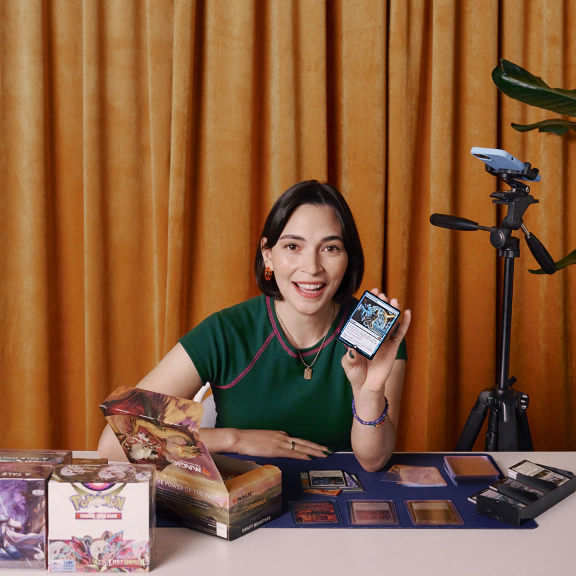
A trading card collector sits at a table with card packs and accessories, smiling while holding up a collectible card beside an overhead camera setup for recording or livestreaming.

Product placement

Ensure there is a clear focal point on the product in each frame, and intentionality in the use of negative space. Products should not be overshadowed by other elements, ensuring adequate brand visibility at all times.
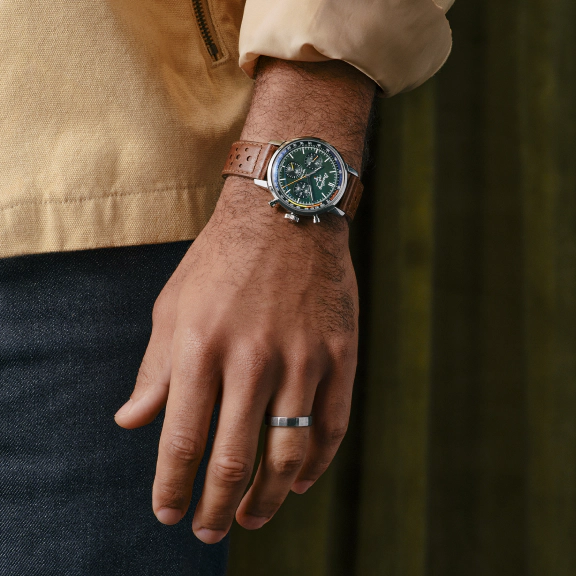
A close-up of a person's hand wearing a luxury wristwatch with a brown leather strap and green dial, alongside a silver ring on their finger.

Simplified composition

Streamline set styling, elements, and overall composition and simplify to only what is necessary to tell the product story.
Studio

Studio removes all distractions and focuses completely on a product or person. It’s clean and minimal, allowing the subject to shine.

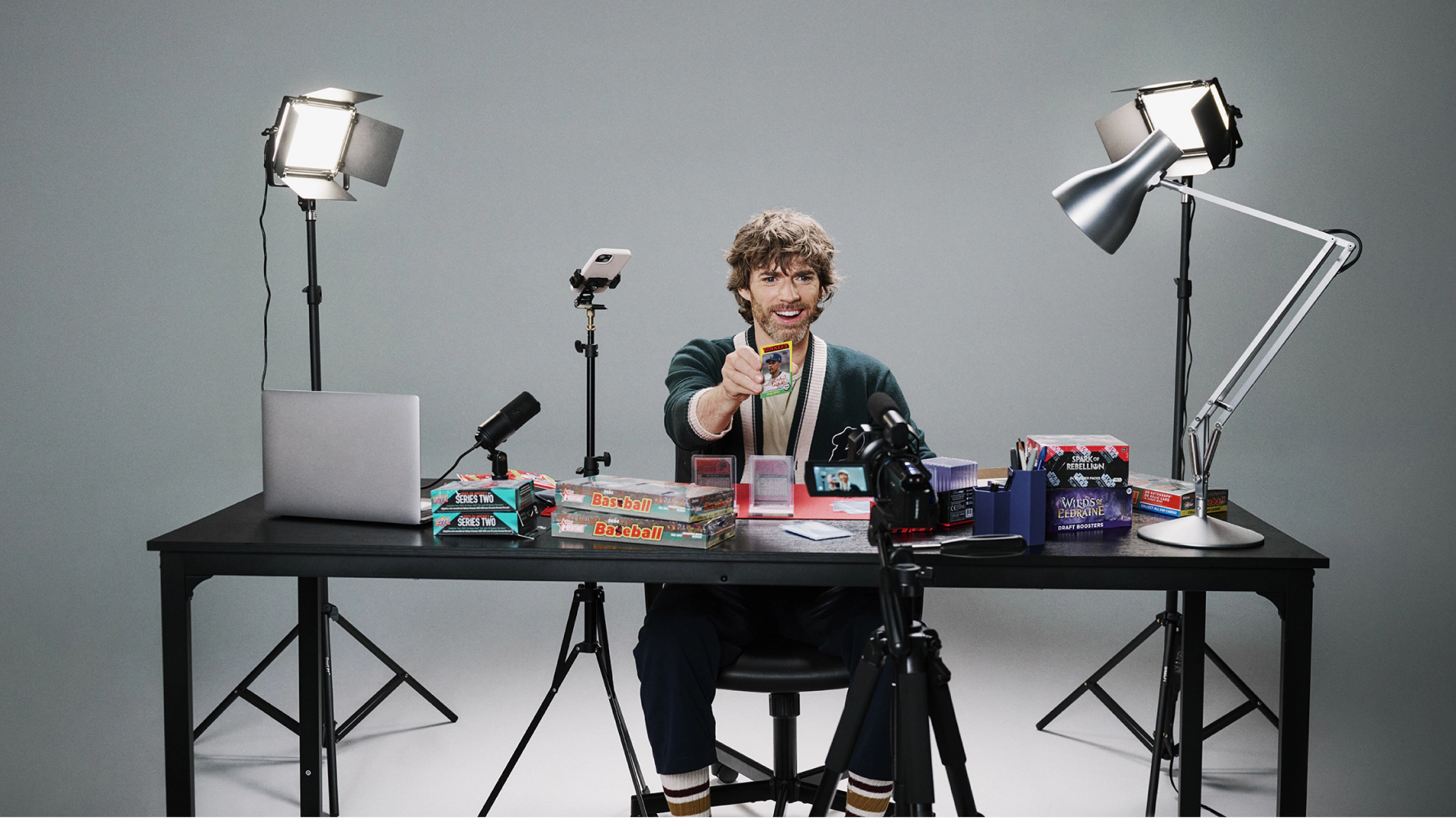
A trading card seller sits at a eBay LIVE studio setup with cameras, lights, and a laptop, holding up a collectible card while livestreaming or recording content at a desk covered with trading card products and supplies.
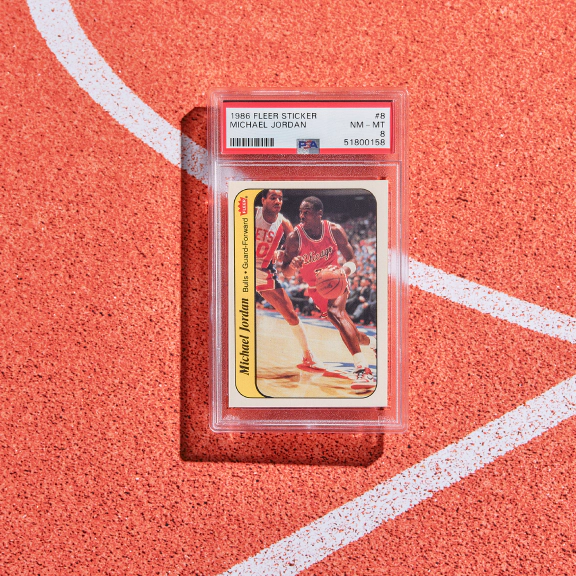
A professionally graded Michael Jordan basketball trading card displayed in a protective plastic case on the surface of a basketball court.

Narrative-driven sets

Narrative brings forth the humanity behind the product, telling stories through creative styling, set design, and art direction that evoke real-life scenarios in an aspirational yet real way.

The image features a person holding a luxury Gucci bag, prominently displaying a distinctive logo pattern with green and red stripes. The person is also wearing a chic mustard yellow coat against a blue backdrop.

Color and texture

We naturally incorporate eBay's brand colors into our backgrounds, outfits, and styling. We harmonize the products, outfits, and props with the backgrounds to create contrast or tone-on-tone effects and show our brand presence naturally and organically.

An old baseball jersey and a yellow cap rest on the back of a wooden chair. The wooden chair is on top of a red decorated rug on a yellow seamless background.

Set props

Styling props humanize products, giving them personality and elegance without overshadowing them. The way products are styled speaks as much as the products themselves. They should be real, relatable items that naturally complement the product's story.

Listing imagery

Apart from photos shot in-house, it's also possible to use photos that sellers upload to their product listings on eBay, known as listing images. These pictures are essential for presenting the product and influencing prospective buyers' decisions to buy. Only use images from a listing on eBay, provided by a partnering brand, from approved stock image sites, or from an eBay photoshoot. Learn how to use these types of assets in Listing imagery.
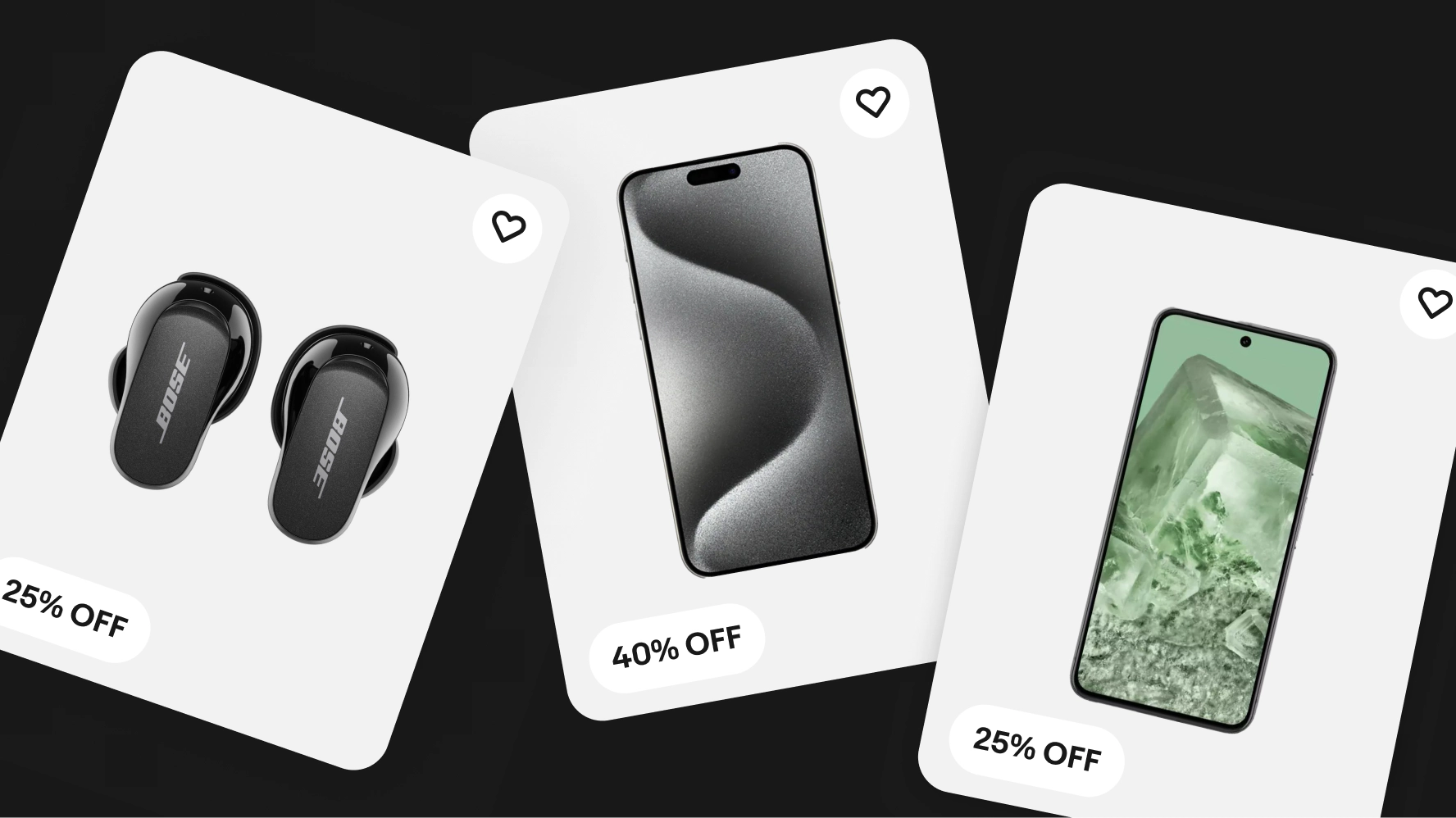
The image showcases three electronic products on sale: Bose earbuds at 25% off, an Apple iPhone at 40% off, and a Google Pixel smartphone at 25% off. Each product is displayed on a card with a heart icon, indicating a favorite or liked item.
The image features a modern a beige fabric dining chair with a minimalist design against a white seamless backdrop.

High-fidelity

Product images should convey the item's quality and details accurately, depicting its true condition and colors.

A pair of black Skullcandy over-ear headphones with a sleek design is shown. The headphones feature the Skullcandy logo on the ear cup and have buttons for controls on the side.

Product angles

Opt for orthographic product angles for their adaptability and scalability across various designs. Use dynamic angles when showcasing the product as the focal point.

The image displays a cozy knitted sweater in shades of grey.

Continuous lighting

Choose well-illuminated listing images captured with soft, diffused lighting, ensuring that all product features are clearly depicted in true-to-life colors.
Resources