Skip to main contenteBay Playbook
  • Get started
  • Foundations
  • Design system
  • Expressions
  • Resources
  • Articles

Foundations

  • Overview
    • Our logo
    • Using our logo
    • Using our tagline
    • Showcase
    • Our colors
    • Using color
    • Using color in product
    • Using color in marketing
    • Using color in illustration
    • Best practices
    • Showcase
    • Our typeface
    • Using type
    • Using type in digital
    • Using type in print
    • Best practices
    • Showcase
    • Our photos
    • Visual tone
    • Image types
    • Showcase
    • Our icons
    • Using icons
    • Confirmation indicators
    • Icon library
    • Best practices
    • Showcase
    • Our illustrations
    • Visual tone
    • Using illustration
    • Sizing and placement
    • Best practices
    • Showcase
    • Our motion
      • Using motion in product
      • Volume of motion
      • Product transitions
      • Expressive animation
      • Using motion in marketing
      • Layout in motion
      • Typography in motion
      • Depth in motion
    • Overview
    • Include plugin
      • Overview
      • Responsive layout
      • Image ratio
      • Uniform
      • Masonry
      • Mosaic
      • Overview
      • Stacks
    • Interaction levels
    • Interaction states
    • Using object styles in product
    • Using object styles in marketing

Object styles in product

Object styles provide structure and communicate shared behavior between elements.
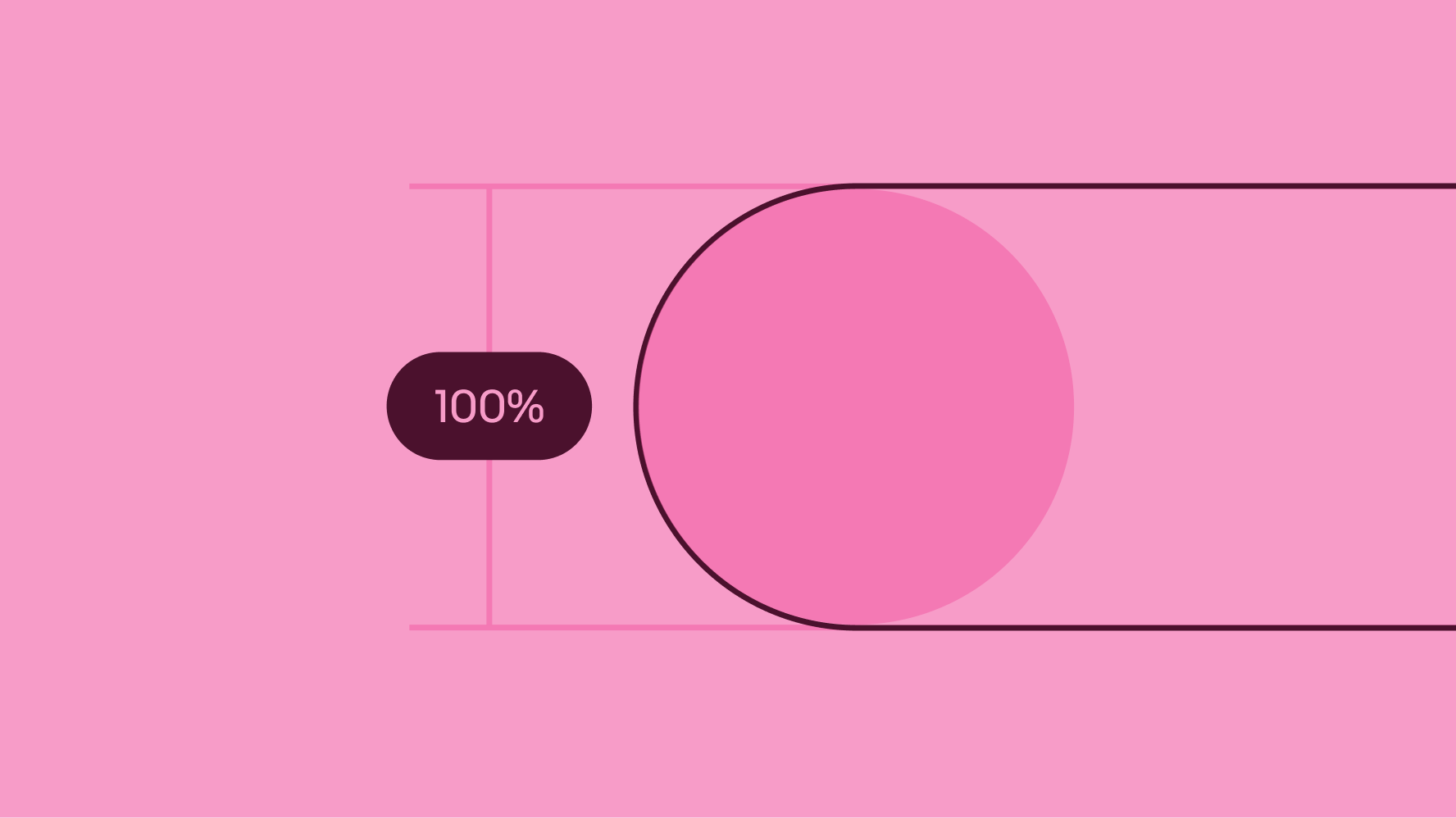
Object styles in product

On this page

  • Border
  • Radius
  • Shadow
  • Resources
PreviousInteraction: Interaction statesNextUsing object styles in marketing
Things.People.Love.
  • Get started
  • Foundations
  • Design system
  • Expressions
  • Resources
  • Articles
  • About eBay Design
  • Careers
  • Press
  • Privacy policy
© 2026 eBay. All rights reserved.

eBay Evo, the eBay trademark, and the eBay logo are the intellectual property of eBay Inc.

    Border

    Border width is used to define structure and separation. View all border tokens.

    Radius

    Radius is used widely throughout our system. Each radius size is intentionally applied to select elements. View all radius tokens.

    Shadow

    Drop shadow is used for transient and fixed elements. View all shadow tokens.

    Resources

    Subtle - 0.5px

    The subtle border width is reserved for navigation elements like the tab menu on compact screens.
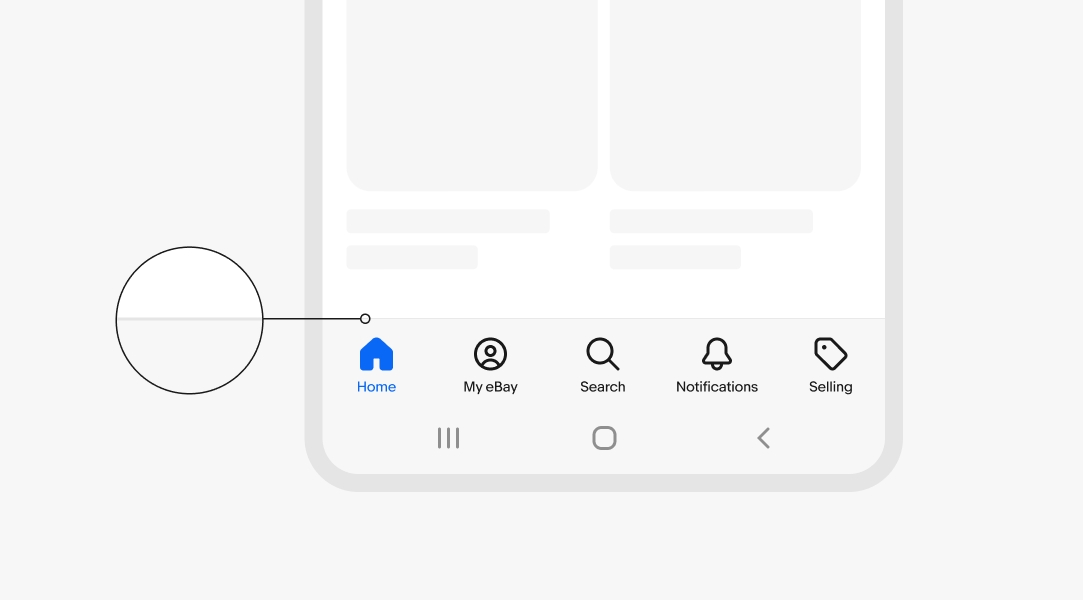
    A phone screen highlighting the 1.5 px subtle stroke border at the top of the bottom navigation bar.

    Default - 1px

    The default border width is used to illustrate the boundary of components and divide content.
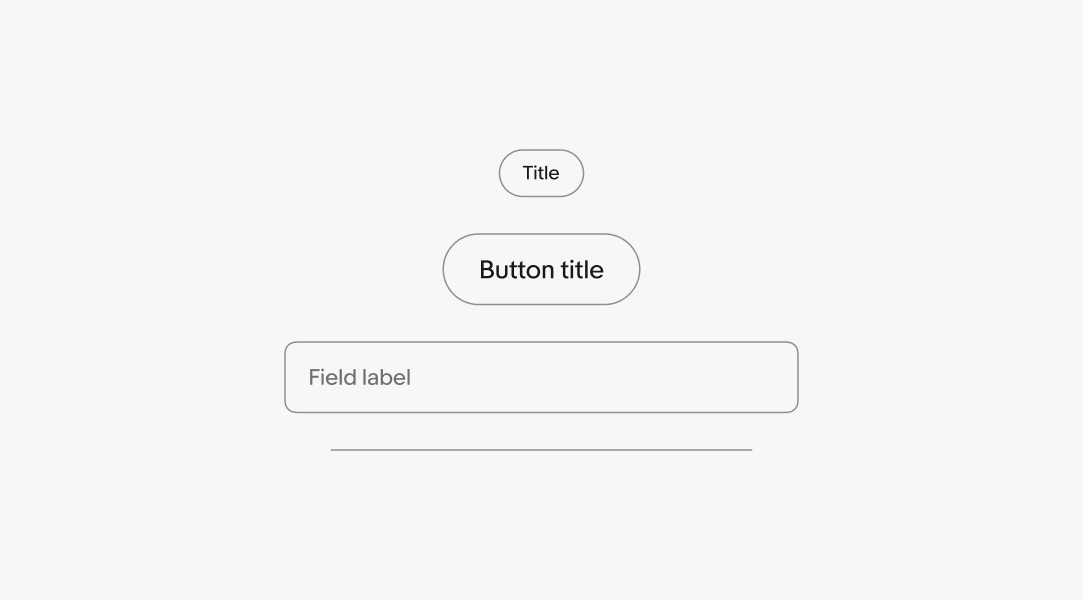
    A small and large tertiary button, input field, and divider line stacked vertically all with a 1px stroke border applied.

    Strong - 2px

    Strong borders are used to emphasize elements that primarily use borders for their structure, like tabs. Focus outlines also use the strong border width.
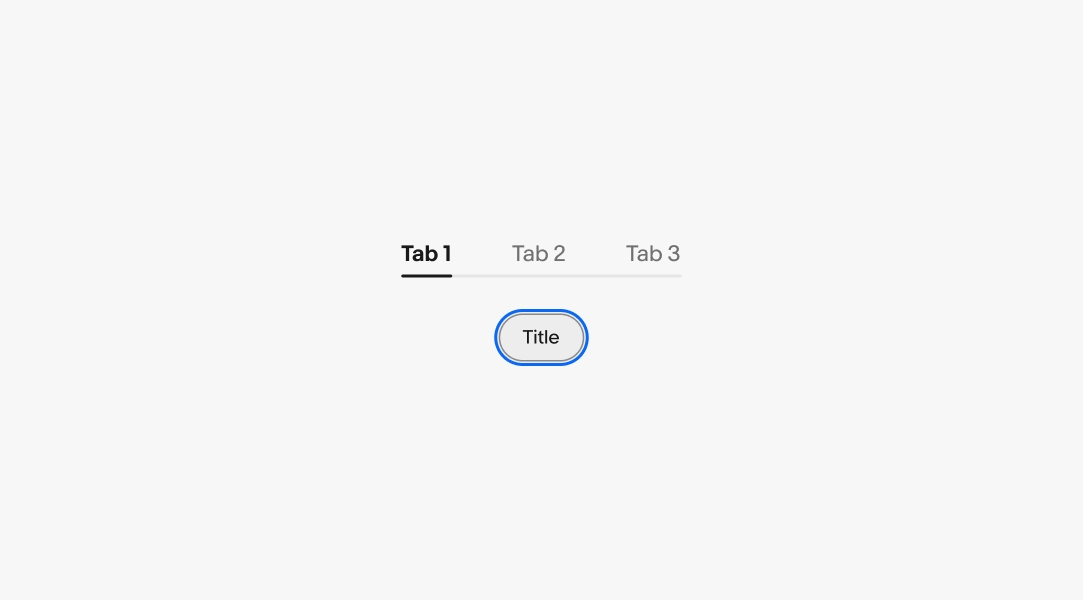
    A tab list with a thick 2px stroke for the active tab on top of a tertiary button that has the blue focused state border applied.

    Default - 8px

    The default radius is the most common radius size. It’s applied to input fields and most component containers. It’s also applied to images with short edges smaller than 80px.
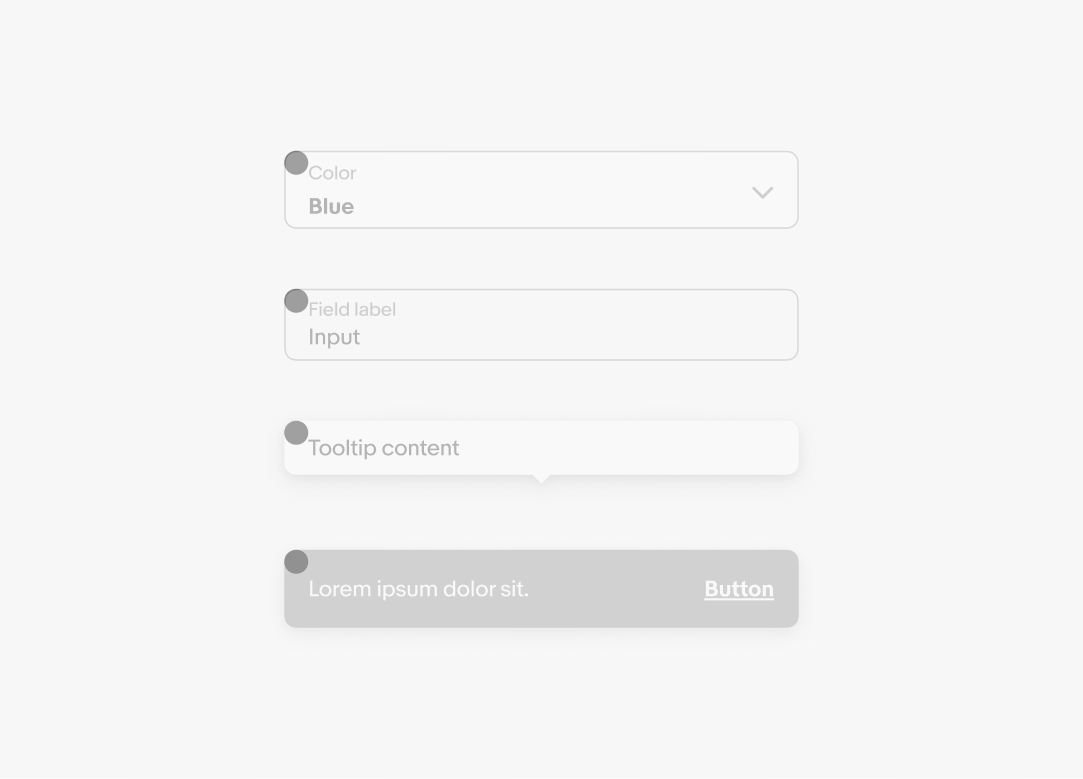
    Drop down, input field, tooltip, and snackbar stacked with a pink circle in the upper left corner of each highlighting the 8px corner radius.

    Large - 16px

    The large radius applies to popovers, modal containers, and images with short edges 80px and larger.
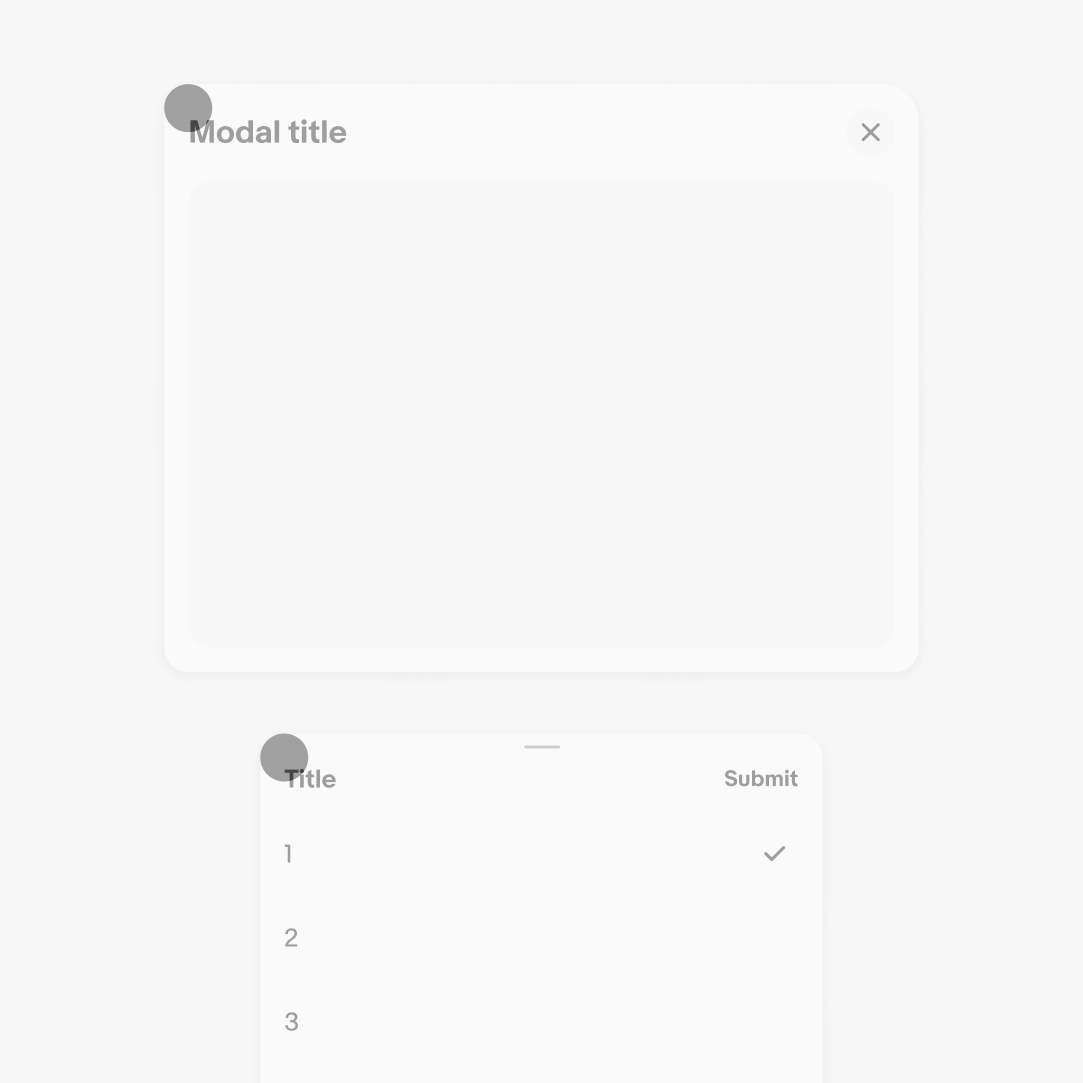
    A modal stacked on top of a bottom sheet with a pink circle in the upper left corner of each highlighting the 16px corner radius.

    Extra large - 24px

    The extra large radius applies to more expressive components like banner dialogs.
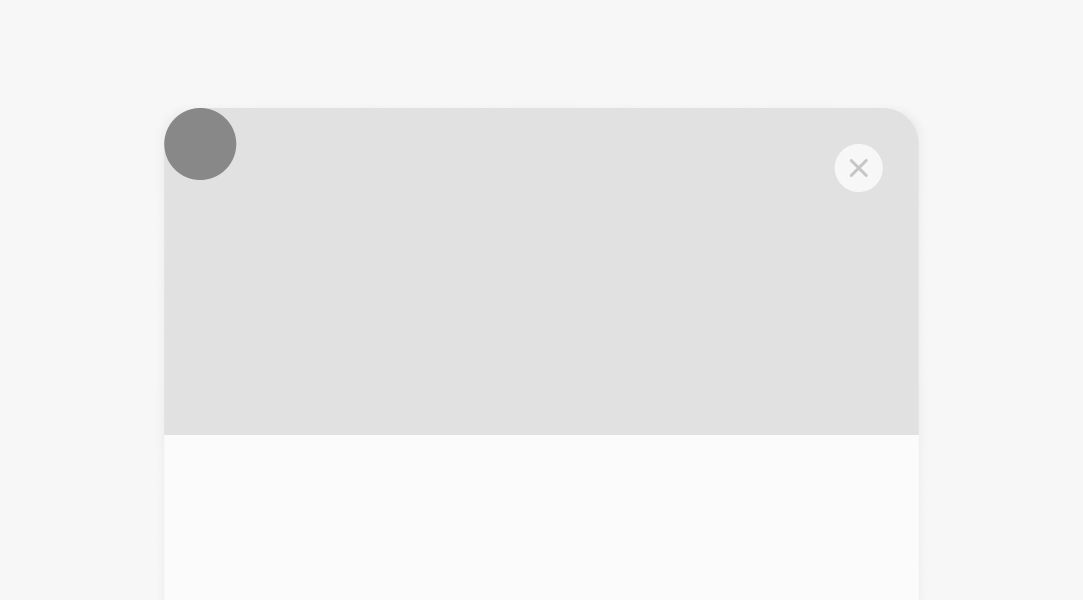
    A banner dialog with a pink circle in the upper left corner highlighting the 24px corner radius.

    Full - 50%

    Full rounding is reserved for buttons, notification badges, and priority signals. This shape is meant to draw attention.
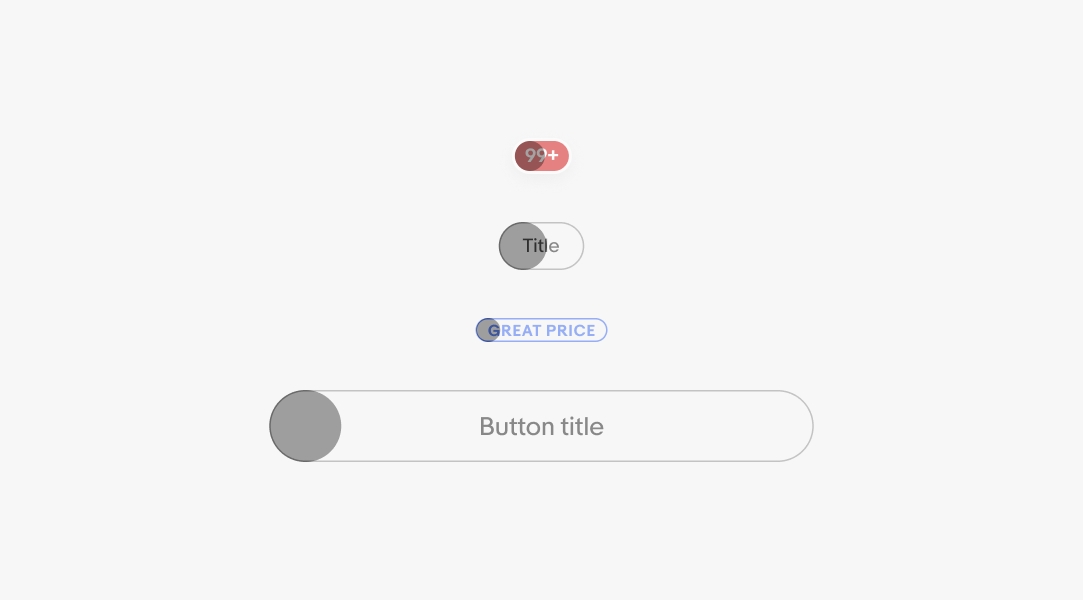
    A badge, small tertiary button, signal, and large tertiary button with a pink circle on the left hand side of each highlighting the full, 50% corner radius.

    Circle

    Circles are reserved for avatars and icon buttons.
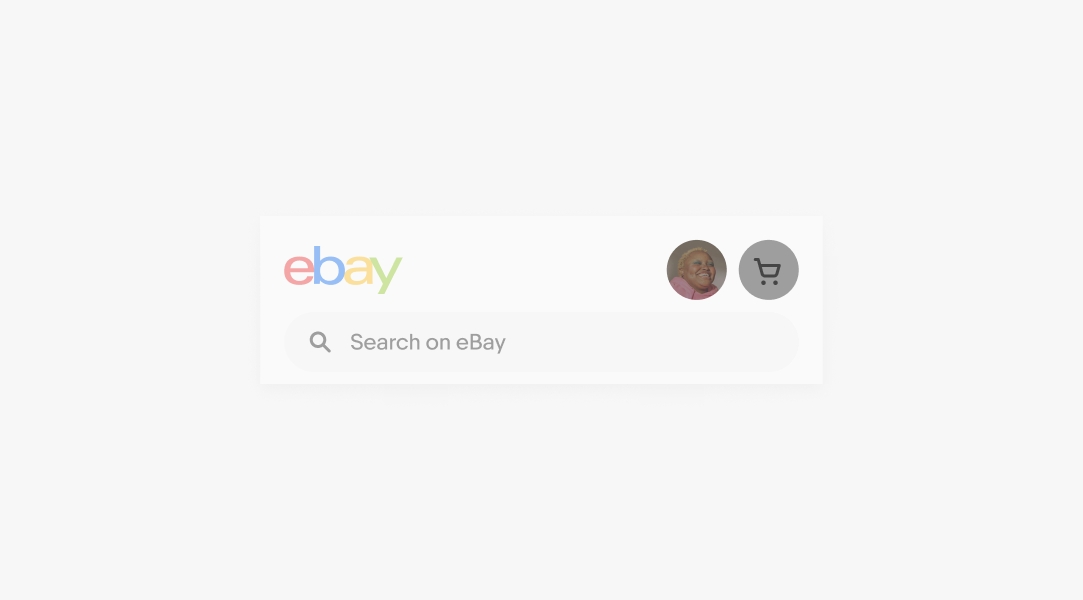
    A mobile web top navigation bar with an avatar and icon button next to each other with pink circles highlighting each as circles.

    Subtle

    The subtle shadow is only used in persistent navigation elements. This provides separation without being distracting.
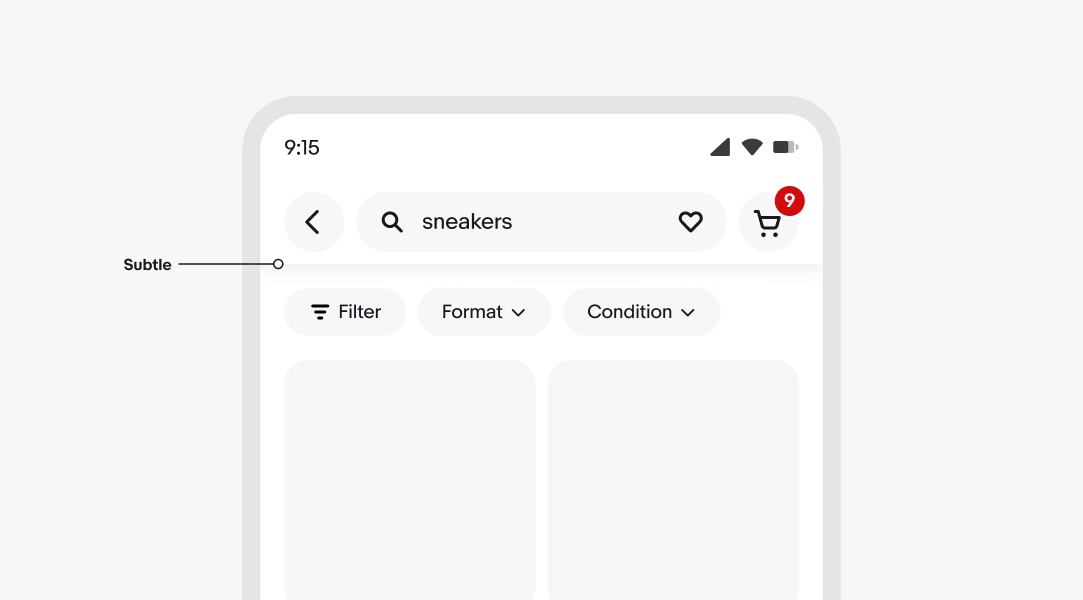
    A mobile design with a top nav bar and a subtle shadow applied to the bottom of it.

    Strong

    The strong shadow is reserved for transient elements, like popovers, snackbars, and tooltips. It remains the same for all components and screen sizes.
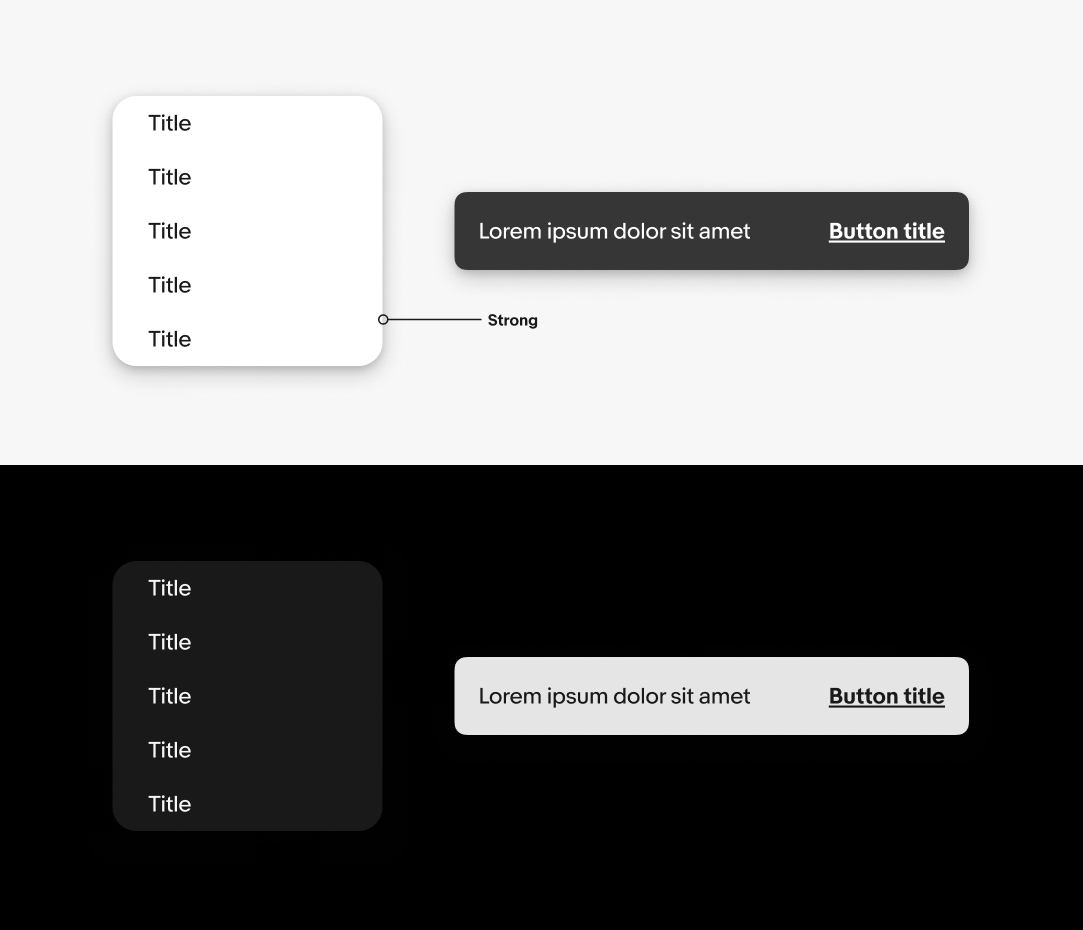
    Tow rows with components inside. The top is in light mode with a popover menu and a snackbar with the strong shadow applied. The bottom row is in dark mode with the same components and shadow applied and the shadow disappears.